When it comes to maintaining and servicing high altitude operation trucks, there are a few key tips to keep in mind in order to ensure the vehicle is operating at its optimal level. These trucks are designed to handle the unique challenges that come with operating in high altitude environments, such as decreased oxygen levels, extreme temperatures, and rough terrain. By following these maintenance and servicing tips, you can help extend the life of your high altitude operation truck and keep it running smoothly for years to come.
One of the most important steps in maintaining a high altitude operation truck is to conduct regular inspections. This includes checking for any signs of wear and tear on the vehicle, such as loose bolts, cracked hoses, or worn out tires. It's also important to inspect the engine, transmission, and other critical components to ensure they are functioning properly. By catching any potential issues early on, you can prevent more serious problems from occurring down the line.
High altitude operation trucks are designed to operate in extreme conditions, which can put added strain on the vehicle's fluids, such as oil, coolant, and brake fluid. It's crucial to regularly check and top off these fluids to ensure the truck is running smoothly. In high altitude environments, it's especially important to monitor the coolant levels to prevent the engine from overheating. Additionally, using synthetic fluids can help protect the engine and other components from damage in the harsh conditions.
In order to ensure that your high altitude operation truck is functioning properly, it's important to test the vehicle in high altitude conditions. This can be done at a specialized facility that simulates high altitude environments, or by driving the truck up to a high altitude location. Testing the truck in these conditions will help you identify any potential issues that may arise when operating at higher elevations. It's also a good idea to have a professional mechanic perform a thorough inspection of the vehicle after the test to make sure everything is in working order.
Just like any other vehicle, high altitude operation trucks require regular maintenance to keep them running smoothly. This includes tasks such as oil changes, filter replacements, and tire rotations. It's important to follow the manufacturer's recommended maintenance schedule for your specific model of truck to ensure it stays in optimal condition. Additionally, be sure to keep track of any service records and receipts to stay on top of when maintenance tasks need to be performed.
In conclusion, maintaining and servicing a high altitude operation truck requires special attention to detail and regular care. By following these tips, you can help extend the life of your truck and keep it operating at its best in high altitude environments. Remember to conduct regular inspections, monitor fluid levels, perform high altitude tests, and schedule routine maintenance to keep your truck in top condition. With proper care and maintenance, your high altitude operation truck will continue to perform at its peak for years to come.
Maintenance and Cleaning Procedures for Fecal Suction TrucksJuly 12, 2024Fecal suction trucks play a crucial role in maintaining public sanitation and hygiene. These trucks are responsible for collecting and transporting human waste from various locations to treatment faci...view
Logistics Trucks And TrailersSeptember 30, 2022Each truck has its own capacity, which means transporters must carefully choose how they transport their cargo. This also affects the profit margins of the transporters, so they must know which option...view
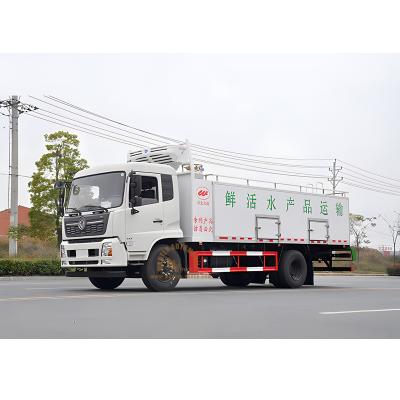
Innovations in Live Fish Transport Systems: Ensuring the Health and Welfare of Aquatic LifeJune 12, 2023IntroductionThe transportation of live fish has long been a critical aspect of the aquaculture and fisheries industry. Whether it's transferring fish from hatcheries to farms, transporting exotic ...view
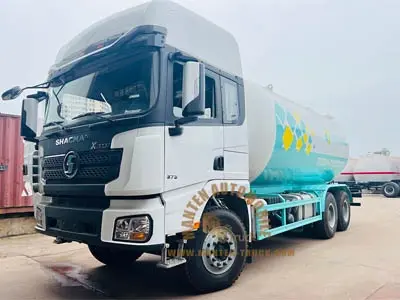
Shacman X3000 12TON LPG Refilling TruckJuly 21, 2023In July 2023, our company completed the Shacman X3000 left-hand drive 12ton 24 cubic meter LPG tank truck with filling system.The vehicle adopts Shacman X3000 left-hand drive chassis, high-roof cab wi...view
Mobile Food Truck Market Thrives in Europe and North America, Driven by Technological Innovation and New TrendsJuly 25, 2024In recent years, the mobile food truck market in Europe and North America has flourished, emerging as a formidable force within the catering industry. Amidst the rise of mobile internet, social media,...view
What Causes the Sprinkler Truck to Leak Oil?May 22, 2023If a sprinkler truck leaks oil during use, it will directly affect its technical performance, cause waste of lubricating oil and fuel, consume power, affect the cleanliness of the vehicle, and cause e...view