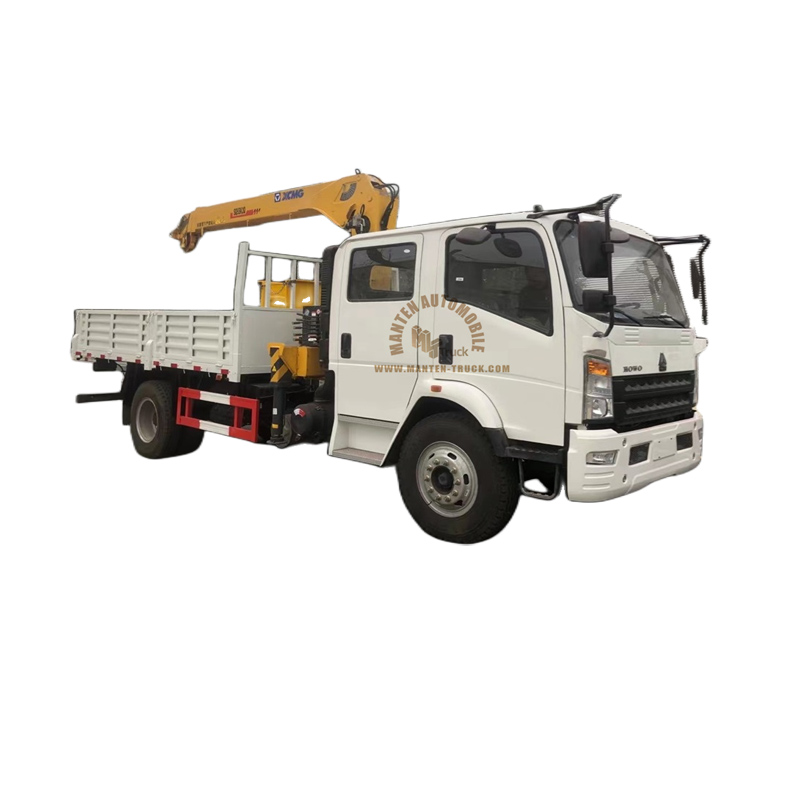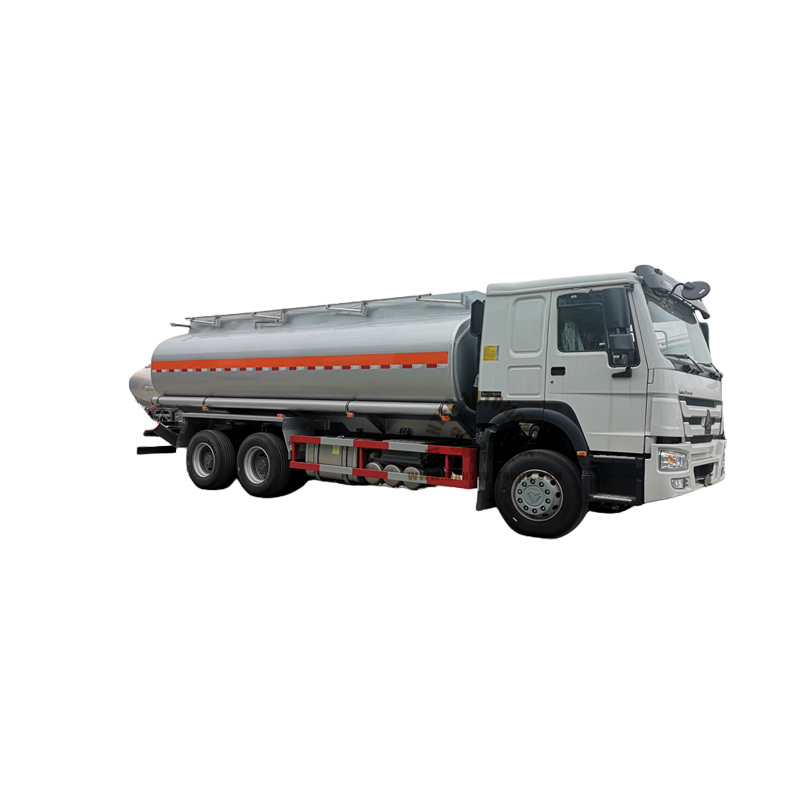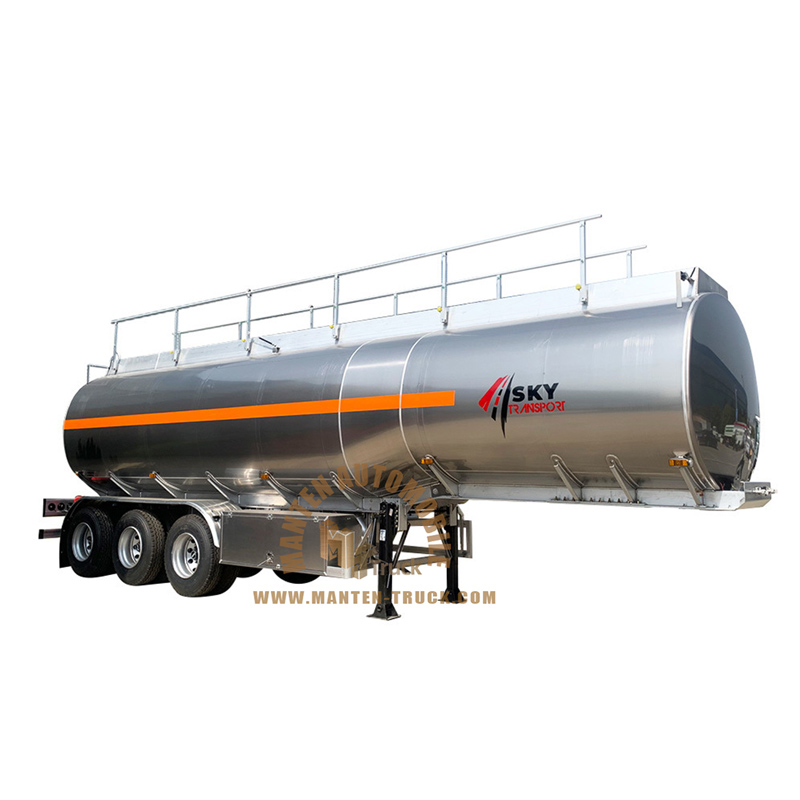
The improper transportation of hazardous chemicals can have significant consequences. Accidents involving liquefied petroleum gas (LPG) tank trucks differ from general hazardous chemical transportation accidents as they often lead to explosions, fires, and leaks, causing economic losses, environmental pollution, and casualties. Therefore, it is essential to enhance daily maintenance inspections and prevent accidents involving LPG gas tanker trucks.
Numerous explosion accidents have been caused by overfilling LPG. LPG has the characteristic of expanding when heated. If the entire volume of the container is filled with LPG, even a slight increase in temperature can generate considerable pressure due to liquid expansion. When the actual pressure inside the container exceeds its safe design pressure, it can easily cause a crack in the weak spot of the container, leading to LPG leakage and an explosion upon encountering an ignition source.
LPG gas tanker trucks exposed to flames in a fire also pose an explosion risk. The radiant heat from the flames around the container can cause the liquid inside to boil and generate high pressure. Meanwhile, the tensile strength of the container's material rapidly decreases due to high temperatures, which can lead to an explosion.
Mechanical collisions can damage the container, causing an instant pressure drop inside the LPG tank truck, which may trigger an explosion. The risks of mechanical collisions mainly arise during transportation, such as tank truck derailment and overturning, collisions with other objects, and impacts from surrounding objects like cranes.
Defects in the container itself, such as material or welding issues, can lead to significant cracks, resulting in leakage and an explosion. During usage, factors like corrosion can thin the container walls, reducing its strength, causing large cracks, and eventually leading to an explosion.
Improve the manufacturing standards for LPG gas tanker trucks and mobile containers, especially by enhancing the technical performance of special equipment like mobile pressure containers. New technologies such as standardized protective frameworks and impact-resistant, leak-proof coatings should be adopted to elevate the inherent safety levels of LPG gas tanker trucks and containers. Transport companies should promptly maintain vehicles and conduct daily safety checks, avoid illegal modifications, and strictly prohibit vehicles with safety issues from operating.
Enhance dynamic monitoring of affiliated vehicles and drivers through a monitoring platform, improving the installation rate, network connection rate, and online rate of dynamic monitoring systems. Automatically remind drivers to correct violations such as speeding and fatigue driving.
Monitor the operational status of LPG gas tanker trucks, containers, LPG safety conditions, and travel route conditions. Promptly identify unsafe driver behaviors and abnormal vehicle conditions. Intervene when necessary to strictly control risks, issuing remote warnings for speeding, fatigue driving, and excessively close driving distances.
25ton Wrecker Tow Trucks Successfully Entered the African MarketAugust 29, 2023Heavy type HOWO 25ton of wrecker tow truck recently announced a successful entry into the African market, which marks as Manten officially began to export its high-quality wreckers to African countrie...view
Introduction to Functions and Structure of Tank TrucksJuly 12, 2023Oil tank truck, also known as mobile fuel truck, computer-controlled fuel truck, oil tanker, fuel truck, oil transportation tanker, edible oil transportation tanker, is mainly used for transportation ...view
What Are the Factors that Affect the Low Working Temperature of Spark Plugs in Fire Fighting Trucks?July 12, 2023The working environment of spark plugs is extremely harsh, as they have to withstand high temperatures, high pressures, and corrosive exhaust gases after combustion. Nevertheless, the working temperat...view
Innovations in Live Fish Transport Systems: Ensuring the Health and Welfare of Aquatic LifeJune 12, 2023IntroductionThe transportation of live fish has long been a critical aspect of the aquaculture and fisheries industry. Whether it's transferring fish from hatcheries to farms, transporting exotic ...view
Tank Truck Main Safety FacilitiesSeptember 30, 2022There are generally mobile safety facilities on the tanker: mechanical breathing valve, hydraulic safety valve, flame arrester, measuring hole, manhole, lighting hole, oil inlet and outlet, foam gener...view
Shacman X3000 12TON LPG Refilling TruckJuly 21, 2023In July 2023, our company completed the Shacman X3000 left-hand drive 12ton 24 cubic meter LPG tank truck with filling system.The vehicle adopts Shacman X3000 left-hand drive chassis, high-roof cab wi...view